


Why DeWitts?
DeWitts™ aluminum radiators are assembled in Michigan and we control the manufacturing process in house. Our CAB brazing furnace allows us to produce the finest aluminum cores in the industry. We have the flexibility to build custom aluminum radiators in several tube widths and fin designs. DeWitts™ began building Direct Fit® Corvette radiators over 15 years ago. We have expanded our line to many other makes and models, using the same degree of attention. If you do not see your application listed, just give us call at 517.548.0600 and we'll custom build one for you.

Project Consultation
With over 100 years of combined experience, the DeWitts™ staff is ready to help you get the best cooling package implemented for your project.

Advanced Manufacturing
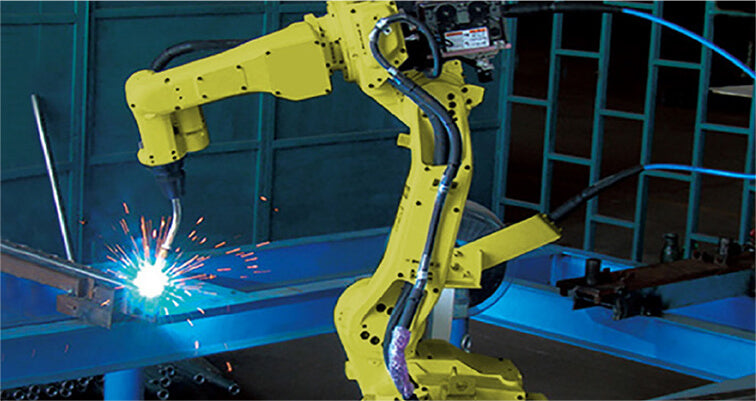
Our robotic welding cell for high volume production features a new Fanuc Robot and CMT technology. We also have water jet, laser cut, CNC brake and other capabilities.


Quality Control
Every part of a core is important, but the quality of the headers is an absolute must. The tube slots must be punched with a maximum of .002” clearance for a precise tube fit. While others use single sided clad material, DeWitts™ uses double sided clad for all the headers.
This provides a fillet joint around the tube on both sides of the header, doubling the strength of the joint. You simply cannot build a better, stronger core. The use of .080 double cladded material and extruded side channels provides a core strong enough to handle over one million pressure cycles, without a tube-to-header joint failure.

#DeWittsEquipped
Check out some DeWitts-equipped rides submitted by social media followers!
